

The Story of a Traditional Monitoring System
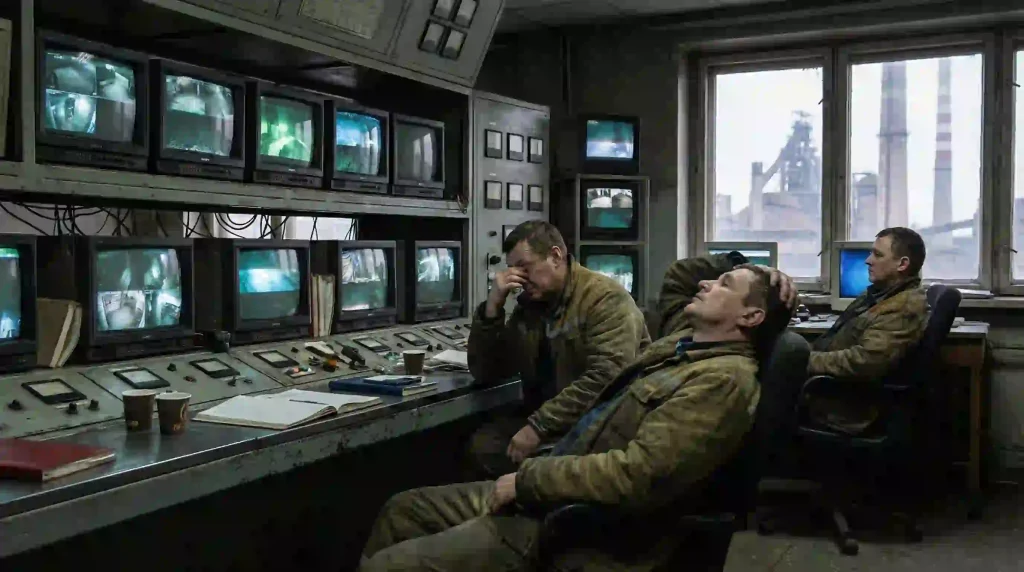
Imagine a large industrial complex with 420 CCTV cameras. These cameras recorded footage every day, yet only operators could distinguish real incidents from unimportant ones.
Operators spent hours staring at monitors, trying to manually detect and verify every small movement or flicker. The outcome? Severe fatigue, human error, and the need for four operators per shift.
In this setup, the cameras were emotionless observers, and humans were the only decision‑makers. But can a person flawlessly monitor 420 cameras nonstop? The answer was clear: no.
2. The Hero Arrives: The VIS Intelligent System
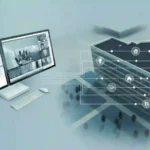
Then VIS entered the scene—a smart platform that not only sees images but understands and reacts to them.
With intelligent analytics such as intrusion detection, facial recognition, and behavior analysis, real incidents were identified quickly, and all events were managed through VIS‑PSIM’s unified dashboard.
Operators no longer had to exhaust themselves watching screens; instead, they could focus on responding to alerts and making informed decisions.
3. Key Transformations: From Endless Watching to Intelligent Response
Feature | Before VIS | After VIS
Monitoring | Continuous and manual | Alert‑based and intelligent
Operator fatigue | High | Significantly reduced
Human errors | Frequent | Noticeably lower
Operators per shift | 4 | Fewer (through efficient alert handling)
Incident response | Manual and slow | Automated and fast
Operator focus | Watching all cameras | Managing alerts and decision‑making
4. VIS Achievements: When Technology Becomes the Hero
Implementing VIS resulted in:
- Significant reduction in workload—no more constant screen monitoring
- Faster security response through automated intelligent alerts
- Lower human error rates and more reliable decision‑making
- Minimal changes to existing hardware—leveraging the current infrastructure
In simple terms, VIS gave the industrial complex new eyes, a smarter brain, and quicker reactions. From then on, security was no longer solely a human responsibility—it became a smart collaboration between people and technology.